大逃杀
Chinese conservationist explores community-based wildlife protection in Kenya_我的网站

一 |
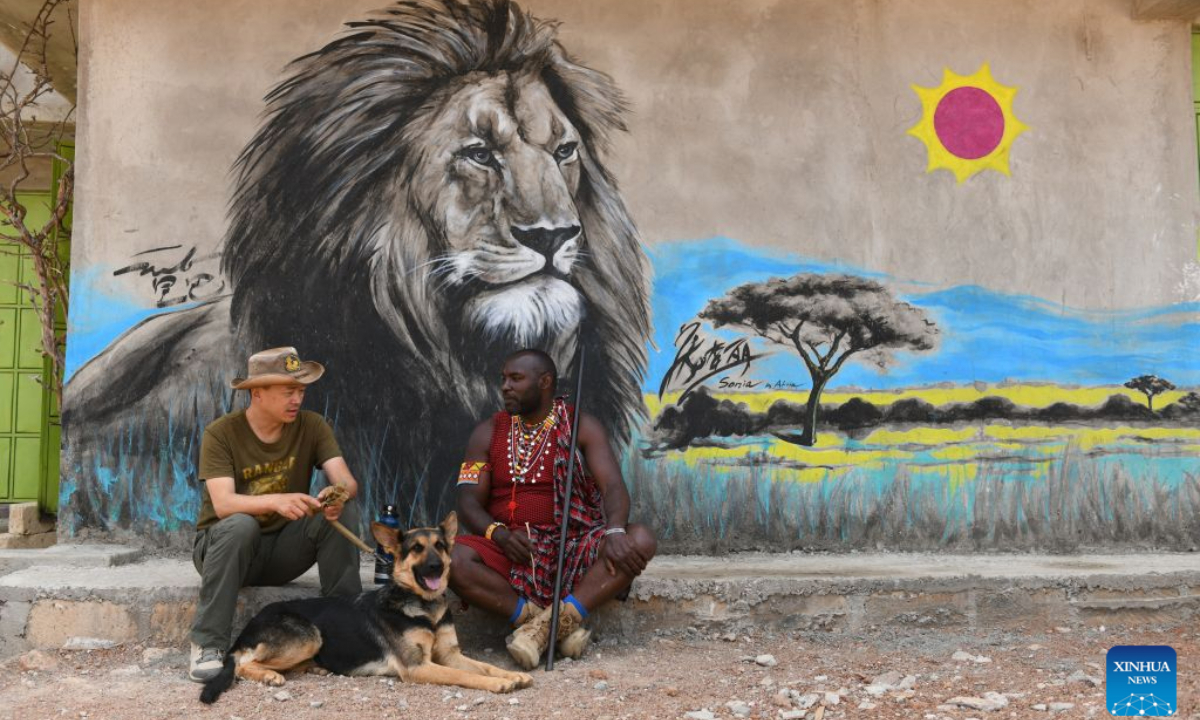
Zhuo Qiang (L) talks with Simon Msago, a Maasai community leader in Ngoswani, in Narok, Kenya, Aug. 12, 2026. (Xinhua/Liu Qiong)As dawn breaks over Ol Kinyei Conservancy in Kenya's Maasai Mara ecosystem, rangers are already combing the grasslands for signs of unauthorized entry and poaching while keeping a close watch on wildlife.
Among them is Chinese conservationist Zhuo Qiang, nicknamed "Simba," the Swahili word for lion. For him, this early-morning routine is driven by a broader mission to achieve human-wildlife coexistence.
In 2010, Zhuo left his job in China at the age of 37 and embarked on a less-traveled path: pursuing wildlife conservation in Kenya.
Without professional training in wildlife conservation, he found himself in a territory then dominated by Western organizations and local practitioners.
But Zhuo decided to stay. "I wanted to prove that Chinese people could also do wildlife conservation," he said.
Initially, Zhuo saw conservation largely through the lens of wildlife science: working in the field, studying animals and collecting data.
Living and working with Maasai communities changed that perspective. "The fate of wildlife was closely tied to the people sharing the same land," he said.
In the Maasai Mara ecosystem, livestock grazing is deeply connected to the livelihoods of pastoral communities. "If local people are asked to stop grazing but are given no alternative source of income, conservation cannot be sustainable," Zhuo said.
That principle laid the foundation for his work with the local community in establishing the Ol Kinyei Conservancy.
The area had suffered from prolonged overgrazing, with plants and the land itself deteriorating. Under the conservation model, local grazing land was leased and gradually restored, allowing vegetation to recover and creating a more suitable habitat for wildlife, said Zhuo.
Meanwhile, households participating in the scheme receive land-rental income and have access to jobs such as wildlife rangers and tourism workers. Their average annual income has increased from around 500 U.S. dollars to about 3,700 dollars, according to Zhuo.
Some residents from surrounding communities also learned from the experience and brought the approach back to their own grazing areas.
Nowadays, 26 private conservancies have been established around the Maasai Mara National Reserve, covering about 1,600 square km, according to Zhuo.
He believes the network of community conservancies provides additional safe space for wildlife to move and survive, extending conservation efforts beyond the boundaries of a single national reserve and into surrounding communities.
Simon Msago, a Maasai community leader in Ngoswani, said Zhuo's work encouraged more residents to take an active role in conservation.
In the past, many residents saw few direct benefits from wildlife conservation and had limited awareness of its importance. Today, community members are increasingly willing to work as rangers and protect wildlife, creating an effective layer of protection around the conservancies, Msago said.
"Human-wildlife conflict cannot be solved simply through restrictions and prohibitions. The key is to create alternative sources of income so that residents can gain tangible benefits from conservation," Zhuo said.
"That is what makes community-based conservation sustainable -- allowing local people to become part of wildlife conservation rather than bystanders with no stake in it."
While continuing his work in the Maasai Mara, Zhuo has also sought to strengthen exchanges between China and Africa in wildlife conservation.
In recent years, he has visited more than 30 nature reserves and national parks in China, sharing his experiences of community-based conservation in Africa with Chinese counterparts.
"Conservation practices in China and Africa each have their own characteristics, and there is much that the two sides can learn from each other," he added.
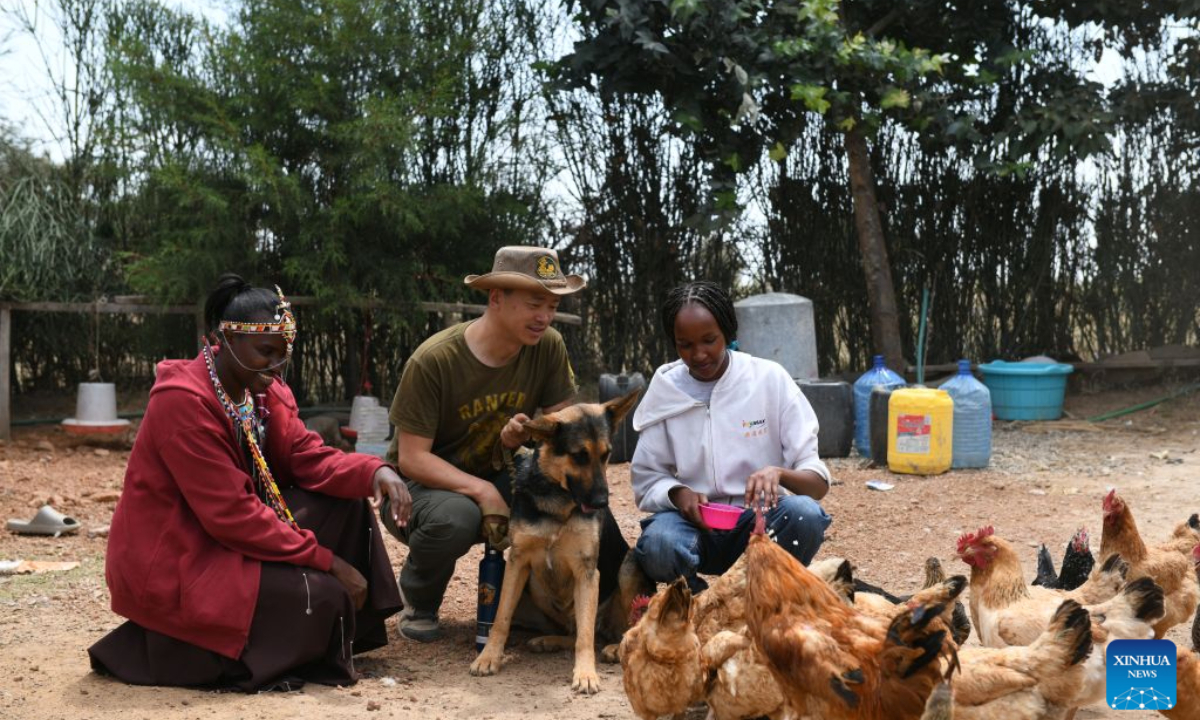
Zhuo Qiang (C) checks the chickens raised by local residents in Narok, Kenya, Aug. 12, 2026. (Xinhua/Liu Qiong)
。 Renee 综合
昨天开始南岛迎来狂风暴雨天气,气象部门警告称,随着未来几天的持续降雨,西海岸的暴雨可能升级为红色警报。
Advertise with us
从周二早上8点到周三早上8点,Westland地区的降雨量超过250毫米。天气预报机构MetService预测周三该地区的强降雨会减少,随后周四的恶劣天气会延伸到其他地区。预计到周四Westland的降雨量将达到700毫米。
MetService已经在全国范围内发布了数个天气警报和监测,覆盖了南岛大部分地区、北岛南部地区和北地。
目前以下这些地区处于橙色暴雨警报下:Mount Taranaki, Tasman-Marlborough, Buller, Westland, Canterbury, Otago, Fiordland和Southland。
目前Haast和Franz Josef之间的高速公路因滑坡而关闭。
西海岸应急管理部门表示,这是一次“重大暴雨事件”,周三上午升级为红色暴雨警报的可能性越来越大。
该应急管理小组周二晚间说,“今晚整个Westland地区都会下雨,会导致一些地面洪水。暴雨将持续一夜,一直持续到明天(周三)的午间时间左右,然后在周四凌晨出现更多暴雨之前会有所缓解。我们整晚都在继续监测,预计水位将达到警报级别。”
MetService也警告称,Westland地区的暴雨可能在周三升级为红色警报。
Westland市长Helen Lash说,目前该地区“一切都好”,但官员们担心的是即将发生的情况。
Westland地区议会正在为Hokitika地区的居民提供至少500个沙袋,该地区被认为可能受到恶劣天气的最严重影响。当局正在密切关注天气的变化。
北岛大部分地区要到周四才会迎来下雨天,包括奥克兰、惠灵顿、汉密尔顿在内的多地会有大风。狂风暴雨预计会持续到周五。
奥克兰未来7天天气预报如下:
全国地区天气警报情况可点击MetService官网查看。
相关阅读:
天降暴雨!南岛半瘫!注意避险!
恶劣天气即将来临!暴雨“淹没”新西兰,你准备好了吗?
注:本文为编译/原创,欢迎转发分享;但严禁复制等未经授权的非法使用。违反上述声明者,本网将追究其相关法律责任。使用授权请联系[email protected]。
chineseherald.co.nz All Rights Reserved 版权所有
(责编:twinkle)
来源 -
相关内容
奥克兰一女子在Pak'nSave偷东西未遂后大喊大叫,员工被打脸
新民调:最大赢家绿党,最大输家行动党,Luxon人气继续下滑
天降暴雨!南岛半瘫!注意避险!
疫情通报:过去一周新西兰新增3385例
新西兰总理将访问东南亚三国
恶劣天气即将来临!暴雨“淹没”新西兰,你准备好了吗?
奥克兰市区旅馆大火:有人在楼外斗殴,三人拔刀相向
奥克兰北岸绑架案:危险男子仍在社区流窜,公众请警惕!。
Current article:http://r1o.cousizhegaobaolengkuo.bond/list_64ujks4/p7h0zy.html
Published on:01:20:57