
梅兰芳
从“害羞狂奔”到1500米耐力赛 机器人一天多次刷新人类纪录_我的网站

一 | Bollywood often gives us entertainment, music, dance, and romance. Sometimes, it provides much more, films that challenge outdated beliefs and encourage society to think differently. Over the years, many filmmakers have bravely confronted stereotypes that were accepted for decades, whether about gender roles, body image, disability, caste, or the LGBTQ+ community.
These movies opened up new discussions in homes, schools, and online platforms. They changed how people viewed sensitive topics and encouraged audiences to approach the world with more empathy and understanding. Here are 10 Bollywood films that boldly questioned old mindsets and inspired meaningful change.
In This Article
Taare Zameen Par (2007)Chak De! India (2007)My Name Is Khan (2010)English Vinglish (2012) Dum Laga Ke Haisha (2015)Pink (2016)Dangal (2016)Padman (2018)Article 15 (2019)Shubh Mangal Zyada Saavdhan (2020)Taare Zameen Par (2007)
Breaking the stereotype around learning disabilities, Aamir Khan’s Taare Zameen Par skillfully changed how people understand children with learning challenges like dyslexia. The film follows Ishaan, a young boy who struggles at school because no one understands his condition. Instead of calling him lazy or slow, the film reveals that every child has a unique way of learning. It encouraged parents and teachers to be more patient, supportive, and emotionally aware. For the first time, mainstream Indian cinema highlighted the importance of mental and emotional health for children.
Chak De! India (2007)
This film challenges gender bias in sports and religious prejudice. Chak De! India shattered many stereotypes at once: the idea that women’s sports are less important, that female athletes don’t deserve equal respect, and that religion defines loyalty. Shah Rukh Khan plays coach Kabir Khan, who trains the Indian women’s hockey team against all odds. The film showcases strong female characters fighting against bias and confirms that determination and teamwork matter more than gender or background.
My Name Is Khan (2010)
This film Challenges Islamophobia and identity prejudice. My Name Is Khan delivered a strong message in one line: “My name is Khan, and I am not a terrorist.” The film challenged harmful stereotypes about Muslim identity after 9/11 and portrayed the emotional struggle of being judged for religion rather than actions. Shah Rukh Khan’s role as Rizwan, a man with autism, added depth to the story. It urged audiences to look beyond labels and recognize people for who they truly are.
English Vinglish (2012)
Breaking stereotypes around women, housewives, and respect. Sridevi's powerful performance illustrated the journey of a housewife who feels undervalued because she does not speak English. The film questioned the stereotype that homemakers are less capable and reminded society that respect should not depend on language or status. It inspired many women to regain confidence and reminded families to appreciate the work done by mothers.
Dum Laga Ke Haisha (2015)
Dum Laga Ke Haisha challenges body-shaming and society's beauty standards. This film challenged the harmful notion that a woman’s worth is tied to her appearance or size. Dum Laga Ke Haisha follows an arranged marriage where the husband, played by Ayushmann Khurrana , initially feels ashamed of his plus-size wife, played by Bhumi Pednekar. The story beautifully demonstrates how love can grow when we look beyond appearances. It sparked a new conversation about body acceptance and self-love in Indian society.
Pink (2016)
Challenging victim-blaming and highlighting consent, Pink marked a pivotal moment in Indian cinema. The film firmly asserted that “No means no” without explanations or conditions. It confronted deep-seated beliefs about how women should behave, what they should wear, and who is responsible when a crime happens. The film exposed the harsh reality of victim-blaming and initiated a nationwide discussion about consent and accountability.
Dangal (2016)
Breaking stereotypes about girls in sports, Dangal tells the true story of wrestler Mahavir Singh Phogat and his daughters Geeta Phogat and Babita Phogat, who defy gender expectations and show that girls can excel in sports traditionally dominated by men. The film challenged attitudes toward women’s strength and ambition and inspired thousands of young athletes across the country. The movie was widely recognized and praised for its authenticity and depiction.
Padman (2018)
This film broke the taboo around menstruation and the menstrual cycle. Padman focused on a topic rarely discussed openly in Indian society, menstrual hygiene. Based on the real-life story of Arunachalam Muruganantham, the film confronted the shame and silence surrounding periods and highlighted the need for safe sanitary products. It encouraged awareness and changed how people talk about menstruation publicly.
Article 15 (2019)
Challenging caste discrimination, Ayushmann Khurrana’s Article 15 revealed the brutal reality of caste inequality in modern India. Inspired by true events, the film focused on justice, human rights, and the need for social reform. It compelled viewers to confront injustice rather than ignore it, starting serious conversations nationwide.
Shubh Mangal Zyada Saavdhan (2020)
Shubh Mangal Zyada Saavdhan broke the stereotypes about LGBTQ+ love and acceptance, This film brought queer love into the mainstream with honesty and humor. Ayushmann Khurrana and Jitendra Kumar played a gay couple fighting for acceptance from their families and society. It broke the stereotype that LGBTQ+ identities should remain hidden or are unnatural. By presenting love in a simple and genuine way, the film contributed to normalizing conversations about sexuality and equal rights.
Cinema can change thoughts, and these films showed that. They broke the silence around topics once considered uncomfortable, challenged outdated beliefs, and paved the way for more inclusive storytelling. Bollywood is slowly evolving into a space that celebrates diversity, acceptance, and real human emotion, and these films played an important role in that change.Also Read: 10 Horror Movies for a Spooky Halloween Night。 双臂抬到脸旁,身体大幅前倾,一台身高不到1.4米的机器人以一种近乎“捂脸狂奔”的姿态冲过终点。
8月23日下午和晚间,第二届世界人形机器人运动会迎来多个田径项目的决赛。其中在400米小型组决赛中,天工机器人Omni以45.66秒夺冠。因为奔跑时身体前倾、双手靠近脸部,独特的“害羞式跑姿”成为赛场上的抢镜一幕。

二 | 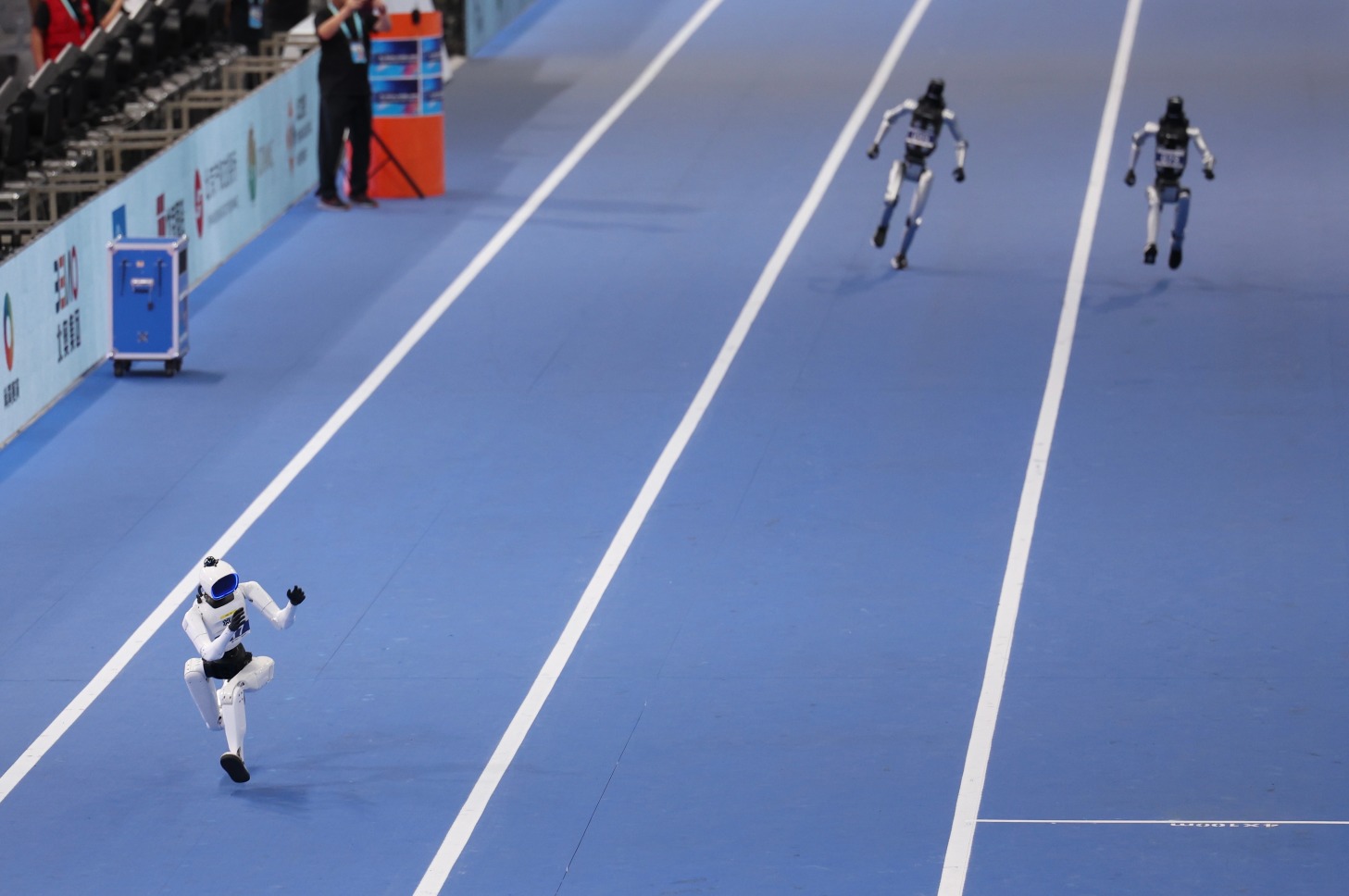 稍早结束的400米大型组决赛中,天工Ultra机器人率先冲线,以38.15秒夺冠。使用了荣耀闪电机器人的追风仔仔和惊鸿动力队分获二、三名。 今晚进行的1500米决赛中,来自天工机器人的天卓队以2分21秒64的成绩夺得冠军。天工机器人一天包揽三金,荣耀机器人拿到多个奖牌,去年在田径项目表现出色的宇树机器人暂未在田径项目斩获奖牌。 今天多个项目的田径决赛,人形机器人的成绩多次超越人类运动员纪录。

三 | 但它们考验的不是同一种能力——如果说400米还在追问自主完赛的机器人“能跑多快”,到了1500米,问题已经变成:一台机器人能不能在持续高速运动中控制节奏、处理弯道和散热,并把稳定的跑姿一直保持到终点。

四 | 一年时间从88秒跑进40秒 今年机器人400米最直观的变化是速度。 去年首届世界人形机器人运动会400米决赛中,高羿科技使用宇树H1机器人以1分28秒03夺冠,北京人形机器人创新中心使用天工Ultra参赛的两支队伍获得亚军和季军。 一年之后,今年400米大型组冠军成绩已经达到38.15秒。与去年的冠军成绩相比缩短了近50秒。 而且机器人还在不断刷新自己的成绩。此前预赛中,天工队以39.70秒获得小组第一,到了决赛又将成绩提高到38.15秒。

五 | 这种提速并不只是让机器人的腿迈得更快。

六 | 北京人形机器人创新中心相关人士对第一财经记者表示,相比去年,今年天工Ultra在关节电机、构型和散热等方面均进行了升级。更大功率的关节电机提高运动能力和爆发力,同时采用轻量化和破风设计,以减少高速奔跑时的阻力。 算法也开始针对不同距离“专项训练”。北京人形机器人创新中心运动控制算法专家韩刚告诉记者,100米、400米和1500米对机器人提出的要求并不一样。“100米要求加速快,400米和1500米要求弯道快。”尤其到了400米,机器人不只需要在直道上加速,还要高速过弯。如何调整重心、保持身体稳定,同时控制关节温度,都会影响最终成绩。 今年田径比赛的另一个变化是人类操作员“消失”了。 去年田径比赛中,记者在现场有不少人类操作员跟着机器人一起奔跑,还出现了机器人在奔跑中把人类撞倒的情况。但今年除了100米障碍赛和400米障碍赛外,其余项目都需要机器人全自主完成。也就是起跑由操作人员向机器人下达一次指令,起跑后全程由机器人自主完成比赛(自主决策、自主跑动)。

七 | 天工机器人技术人员介绍,去年机器人主要采用巡线方式,也就是通过识别跑道线完成比赛;今年则升级为通过定位建图进行自主导航,不再需要一直“盯着”赛道线,也能够在赛道内高速奔跑。 从外部看,这种技术变化远没有38.15秒的成绩那么醒目,但对于机器人未来真正进入现实环境可能更加重要。现实中的巡检、物流和抢险救灾场景不会永远提供一条清晰的白线,机器人需要一边高速移动,一边判断自己在哪里、应该往哪里走。 小型组冠军的“害羞式跑姿”,其实同样是机器人为了追求速度形成的结果。韩刚介绍,这台机器人强在腰和腿,在奔跑过程中会主动将身体不断向前压,降低重心,保持较高步频的同时进一步增加步幅。重心越低,能够迈出的步幅越大,因此最终形成了身体明显前倾、双手靠近脸部的夸张姿态。

八 | 看起来像“害羞”,实际上想的只有一件事:跑得更快。

九 | 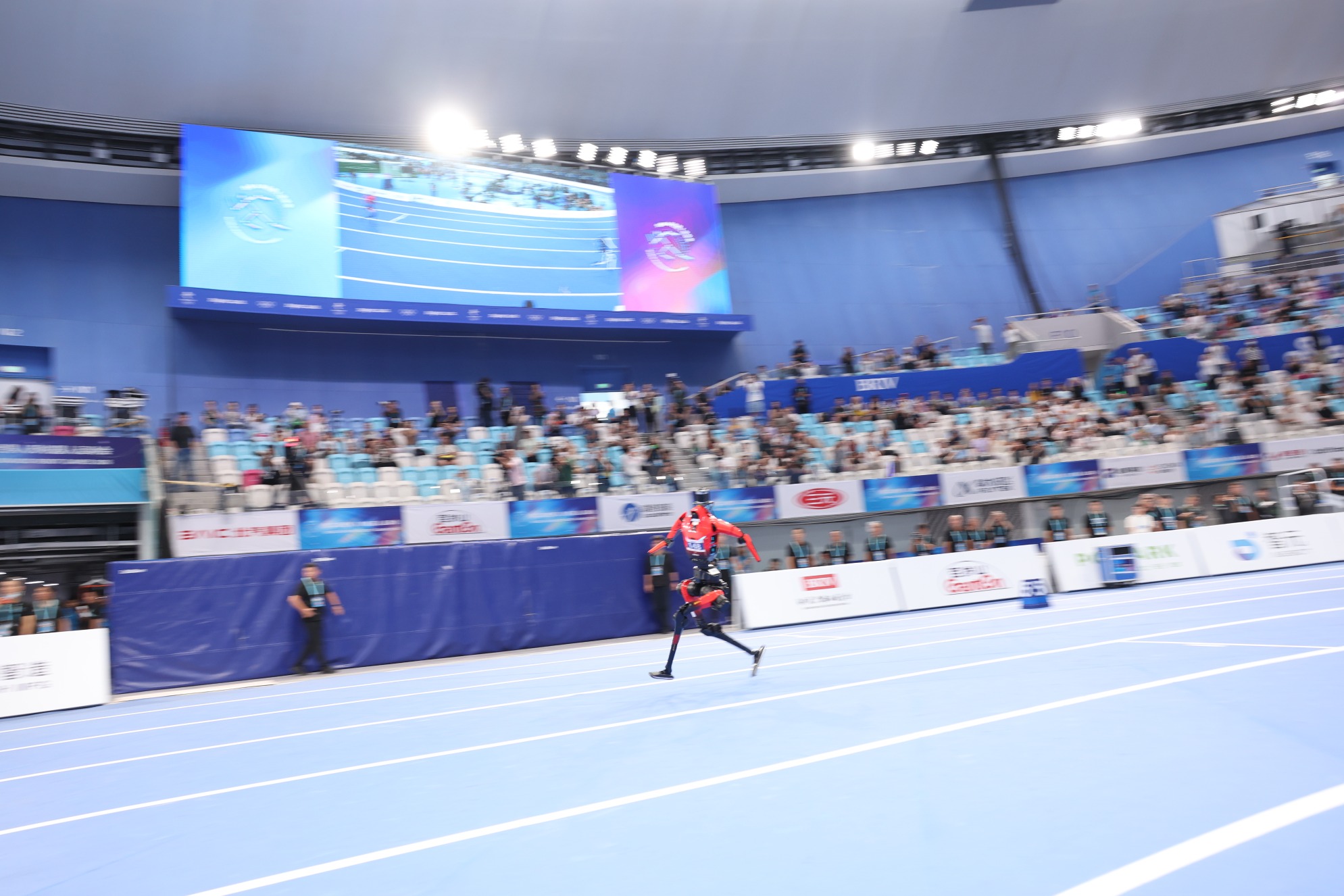 机器人面对体力考验 从400米到1500米,比赛距离的增加实际上在不断延长机器人的“压力测试”时间。在今晚的1500米决赛现场,记者看到有多支机器人参赛队伍未完成比赛。

十 | 去年灵翌科技(宇树科技子公司)以6分34秒的成绩夺得1500米跑冠军,今年冠军成绩大幅压缩到3分钟内,前三名均超过人类纪录。但宇树今年未获奖牌。据记者了解,未来几天宇树机器人还将出现在跳远、原地跳高、400米障碍、自选拳术等比赛中。 人类运动员长跑会遇到体能下降,人形机器人也有自己的“疲劳”方式——关节和电机发热。

十一 | 随着持续高速运动,机器人关节和电机温度会上升,硬件状态随之发生变化,原本训练好的动作也可能出现偏差。通常步幅越小,步态调整越灵活;步幅越大,机器人转向控制难度越大。 韩刚举例称,一台机器人第一圈跑下来时,可能还能保持标准的过弯姿态,身体倾斜到较大角度而不摔倒;但跑到三四圈之后,随着关节持续发热,还能不能保持相同的稳定性,就需要控制算法与硬件共同配合。 和人类长跑相似,机器人的长跑也不能只想着一直跑到最快。“你又希望它快,然后你又不希望它跑的地方过热。”韩刚说,这就意味着在比赛策略上需要进行折中。 参赛的荣耀赛队也给出了类似判断,将不同距离的技术要求概括为“100米看极限爆发,400米兼顾速度与散热,1500米还要处理节奏、弯道和耐久”。其参赛机器人同样针对高负荷运动进行了散热和关节系统设计。 这也是1500米比赛比单纯刷新速度更值得关注的地方。

十二 | 一台机器人跑得快,可以依赖高功率电机、关节和运动控制算法;但如果要高速跑完1500米,就需要电池、电机、关节、散热、导航和控制系统长时间协同工作。任何一个环节出现问题,都可能在几圈之后被放大。 跑道只是测试场。一位在运动会现场观看了比赛的投资人对第一财经记者表示,竞速比赛一方面是在不断提高机器人运动能力的上限,另一方面也把硬件可靠性推向极限。

十三 | 这些能力未来并不是为了让机器人留在跑道上,而可能迁移到长距离巡检、物流以及复杂环境抢险救灾等需要高强度移动的场景。 她同时对记者表示,运动会展现了机器人的实力,但又不代表机器人的全部实力,通常那些专门为运动会做足准备的机器人表现会更好。 田径比赛还没有结束。下周进行的100米决赛,将把机器人的考验从耐力重新拉回极限速度和爆发力。

十四 |  (文章来源:第一财经)。
Current article:http://r1o.cousizhegaobaolengkuo.bond/k8q/g18t7s.html
Published on:20:18:04
 北京景山公园,牡丹花开动京城(组图)
 拉文:不是谁都能在NBA立足 必须做出牺牲
 来自大马“啤酒西施”爆红 带火咖啡店生意座无虚席
 Dumka News: दुमका के मिनी गोवा में नहाने गए थे 4 छात्र, मयूराक्षी नदी में डूबे, शव की तलाश जारी
 普京表示访华取得圆满成功